


It’s Super Bowl week. Every pundit with a microphone and a tie clip is going to tell you it’s a "chess match."
They’ll say it until the words lose all meaning. But what does a chess match actually look like when the pawns are 250-pound linebackers and the kings are quarterbacks trying not to get checkmated into the turf?
To find out, we sat down for an exclusive interview with two men who didn’t just teach the game: one of them co-wrote the rulebook on winning it.
Brian Billick, the offensive mastermind who coached the 2000 Baltimore Ravens to a Super Bowl ring while overseeing the stingiest defense in NFL history (they allowed a record-low 165 points in 16 games).
And Mike Smith, the winningest head coach in Atlanta Falcons history, who also happened to be on Billick’s staff for that legendary Baltimore run.
Between them, they have the rings, the records, and the scars to prove they know what they’re talking about. Here is their blueprint for this year's Super Bowl.
The Silence Before the Storm
The narrative is that Super Bowl week is chaos. A media circus. A distraction factory.
But inside the building? It’s boring. Deliberately boring.
According to Billick, co-author of Bill Walsh’s seminal coaching book Finding The Winning Edge, the real work is already done. The game plan isn't being drawn up on a napkin the night before; it was installed while we were still arguing about Shedeur Sanders going to to the Pro Bowl and Bill Belichick not going to the Hall of Fame.
Billick explains that the physical work tapers off. You don't win a ring by running gassers in February.
Mike Smith adds that the media circus is manageable, provided you treat it like a military operation. If you let the players freelance, you lose.

The "New" Patriot Way
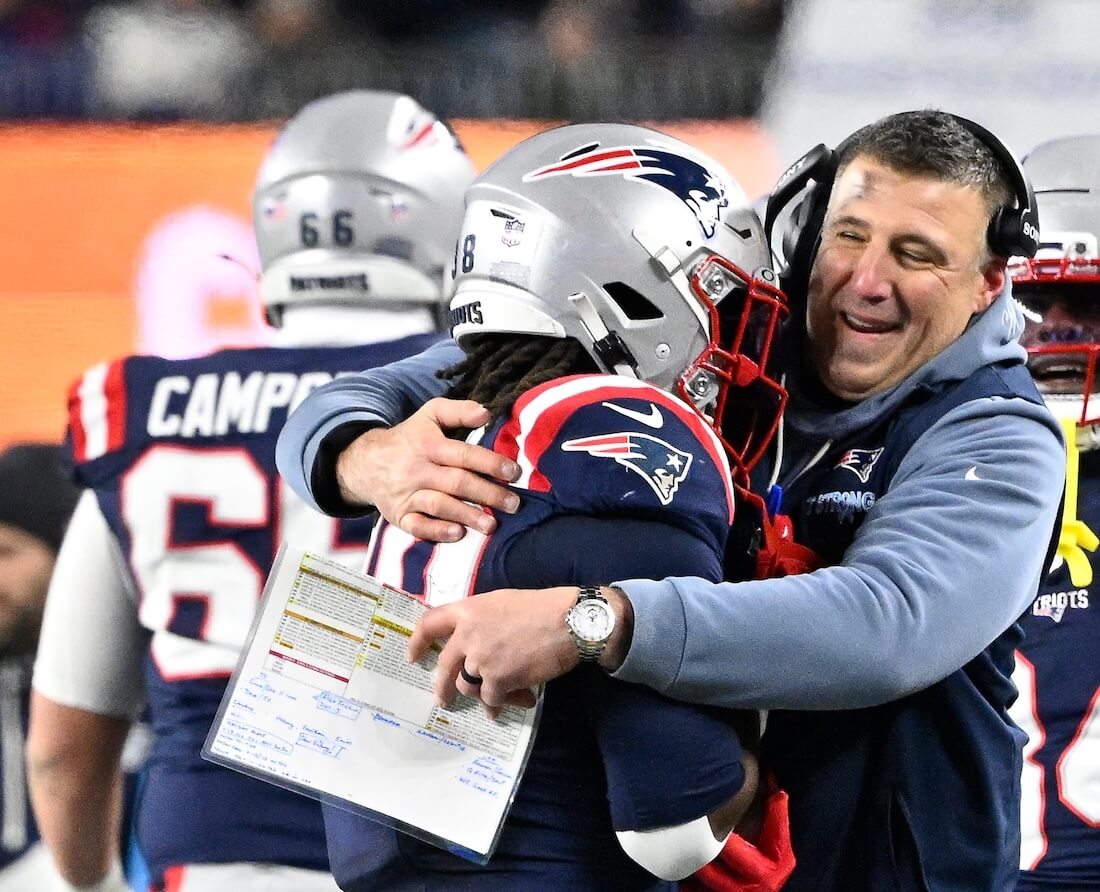
Bill Belichick is gone. The hoodies are (mostly) gone. The ghost remains. But Mike Vrabel didn’t just walk into Foxborough; he was molded by it.
Billick argues that Vrabel’s biggest asset wasn’t a new playbook, but a long memory. He didn't have to learn the culture; he just had to remind everyone else what it felt like.
Coach Smith, however, points out a crucial nuance. You can respect the past, but you can’t cosplay as the last guy. Players can smell a fake from a mile away.
Ghosts of the 2000 Ravens
Both our guests were architects of the 2000 Baltimore Ravens defense, a unit that allowed fewer than 11 points per game and surrendered just 970 rushing yards all season.
So when they look at the defenses in this Super Bowl, do they see a reflection?
Smith thinks the 2000 unit stands alone, but not just because of talent. He believes if you dropped Ray Lewis and Co. into today’s game, they’d be even more dominant.
Billick, ever the analyst, pinpoints exactly why the current defenses are elite. It’s not the sacks. It’s not the interceptions. It’s the basic stuff.
The "Glue Guys" You’re Ignoring
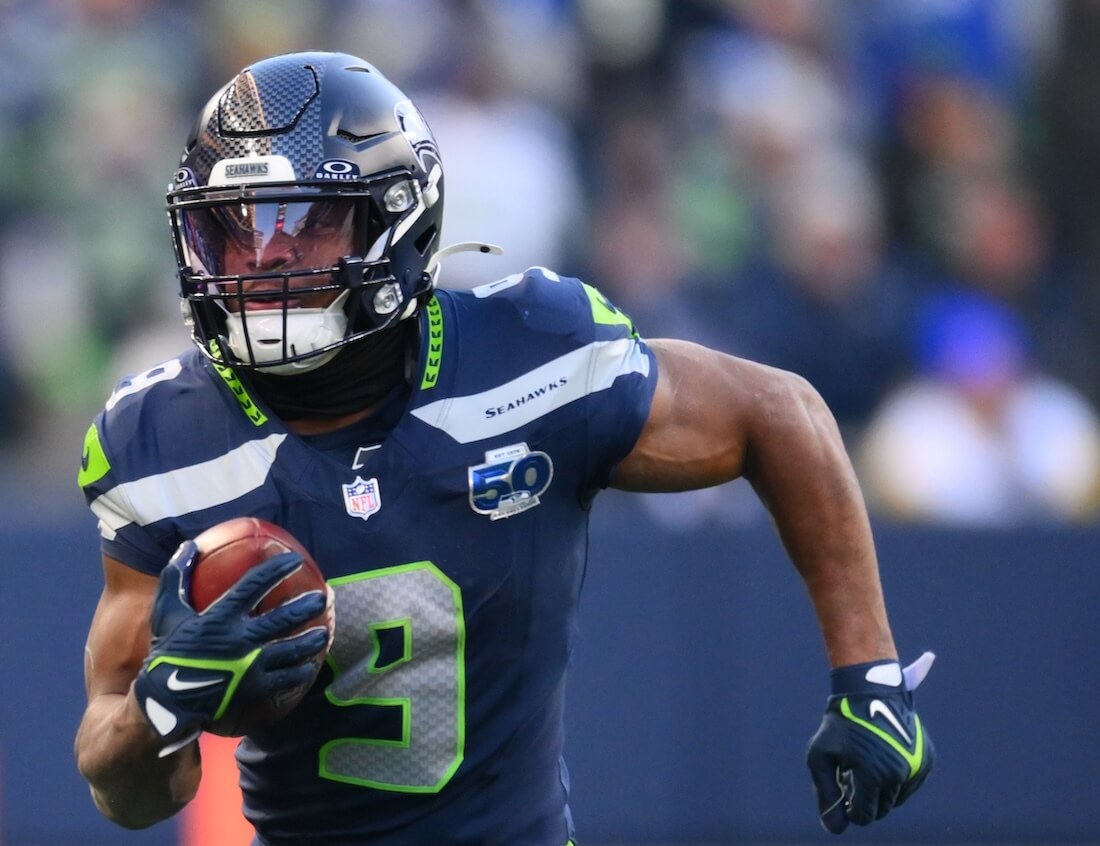
Everyone is focused on the quarterbacks, but Super Bowls are often won by the guy whose jersey isn’t in the front window of the team store.
Mike Smith is looking at Seattle’s backfield. Not for the flash, but for the grind.
Billick has his eye on the Patriots' safety valve too. In a game where pressure is guaranteed, the check-down is king.
The Future is... Artificial?
We couldn't let two master strategists leave without asking about the future: Analytics are old news. The next frontier is AI.
Coach Billick is fascinated by the idea of a computer predicting a play-call in the fourth quarter better than a coordinator can.
Coach Smith sees it coming, and frankly, it sounds terrifying.

In the second half of our interview Brian Billick and Mike Smith go into the Xs and Os of Seattle Seahawks vs New England Patriots, as well as give their predictions for who wins Super Bowl LX! Read the full strategic SB LX breakdown now!
Brian Billick and Mike Smith were speaking exclusively with Andy Whiteoak of Covers.com. All quotes in this article are taken from an exclusive interview conducted by Covers.com. Journalists and media outlets are welcome to use these quotes, provided they are attributed to Covers.com. Please ensure links back to the original article to provide full context for readers.